Paul’s journey to Rome is described in Acts 27:1–28:31. After Paul appealed to Caesar, Governor Festus ordered that he be sent to Rome. Paul was placed under the care of a Roman centurion and traveled with other prisoners and soldiers. Luke, the writer of Acts, was also on this journey and gives a detailed account of the voyage.
Sailing from Caesarea
The journey began when the ship sailed from the coast of Judea. Because the winds were against them, they sailed along the sheltered side of Cyprus. They continued past the coasts of Cilicia and Pamphylia and arrived at Myra, a city in Lycia. There, the centurion found a large ship from Alexandria that was sailing to Italy and transferred the prisoners to it Important Cities Connected to Biblical and Ancient History.
The voyage was slow and difficult. Strong winds made travel hard, and progress was delayed for many days. The ship passed near Cnidus but could not continue in that direction. Instead, it sailed under the shelter of the island of Crete and arrived at a place called Fair Havens, near the town of Lasea.
The Dangerous Storm at Sea
By this time, winter was approaching, and sailing became very dangerous. Paul warned the crew and soldiers that continuing the journey would bring great loss. However, the centurion listened to the ship’s captain instead of Paul. They decided to sail on, hoping to reach a better harbor.
Soon after leaving Crete, a violent storm arose. The ship was driven helplessly by strong winds for many days. The crew threw cargo and equipment overboard to lighten the ship. After many days without sun or stars, all hope seemed lost.
During the storm, an angel of God appeared to Paul in a vision. The angel told him not to be afraid and promised that everyone on the ship would survive, though the ship itself would be destroyed. Paul shared this message with the others and encouraged them to trust God Sofia Sightseeing.
Shipwreck on the Island of Malta
After fourteen days, the sailors sensed they were nearing land. The ship struck a sandbar and began to break apart. Soldiers planned to kill the prisoners to prevent escape, but the centurion stopped them to save Paul. Everyone reached land safely, just as God had promised.
The island was called Melita, now known as Malta. The local people showed great kindness to the survivors. Paul helped gather firewood, and during this time, a poisonous viper bit his hand. The people expected Paul to die, but he was not harmed. This amazed them.
Paul later healed the father of the island’s leader, Publius, and many other sick people were healed. The group stayed on the island for three months and received generous help before continuing their journey.
Arrival in Rome
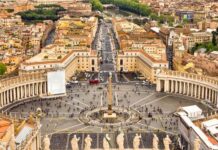
After winter ended, Paul and the others boarded another ship and finally arrived in Rome. The Christians there welcomed Paul warmly. Although Paul was still a prisoner, he was allowed to live under house arrest. He stayed in a rented house for two years, guarded by a soldier.
During this time, Paul received visitors freely. He continued preaching about the kingdom of God and teaching about Jesus Christ. Paul invited Jewish leaders to hear the gospel. Some believed his message, while others rejected it. Paul concluded by saying that God’s salvation had been sent to the Gentiles, and they would listen.
Paul’s Final Years and Legacy
The Book of Acts ends with Paul still preaching in Rome. Church tradition says that Paul was later executed in Rome during the reign of Emperor Nero, around AD 67. It is believed that he was beheaded because he was a Roman citizen. Some later stories describe unusual events at his death, but these accounts are not found in the Bible.
What is certain is the lasting impact of Paul’s life and work. Through his journeys, letters, and teaching, Christianity spread across the Roman world. The faith continued to grow, even in the city where Paul gave his life. His message of Jesus Christ remains influential to this day.